SITE
SETUP










SKU: 6171-CCJM300
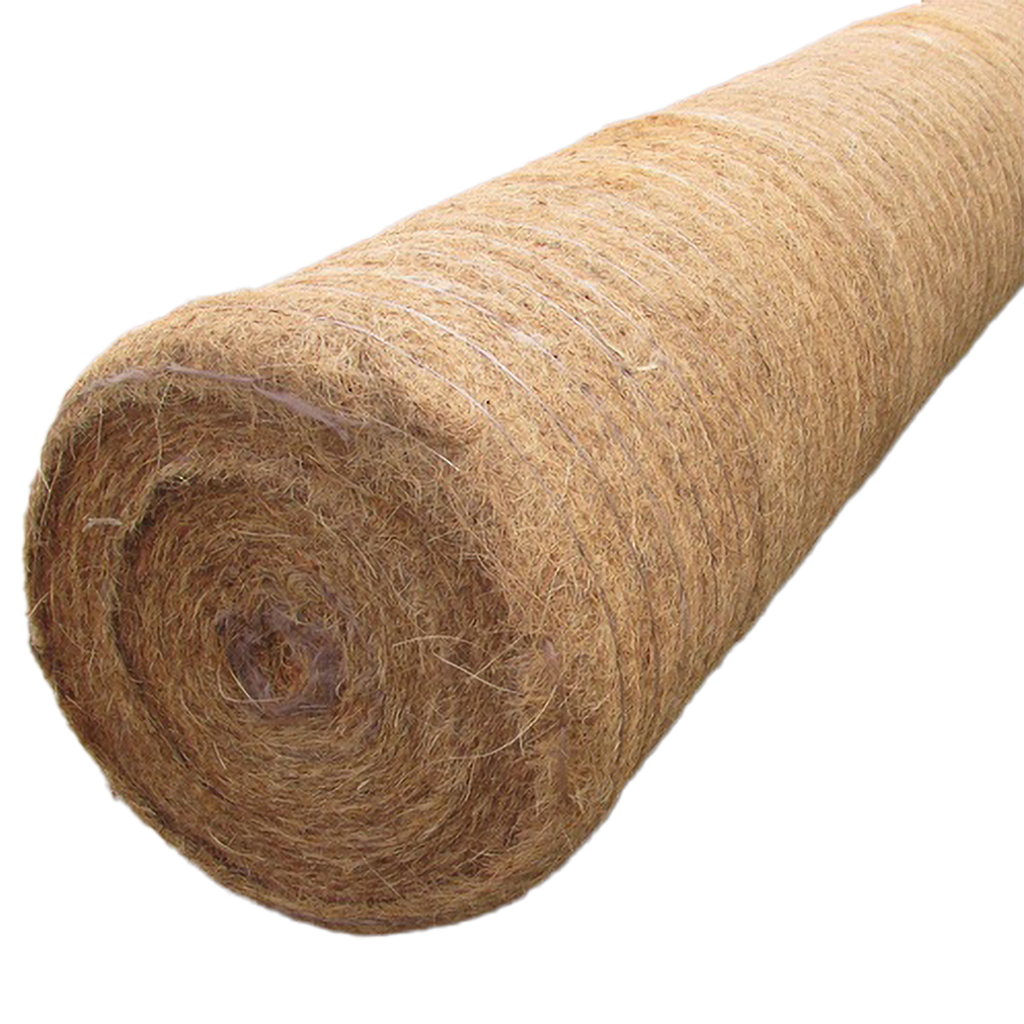
Coconut Matting Jute 300 GSM covers exposed soil the moment earthworks finish, before rain or wind get a chance to strip it away. A freshly cut batter or graded slope is at its most vulnerable in the weeks before grass takes hold: heavy rain washes topsoil straight downhill, and wind lifts loose material off any area still bare. The matting is woven from 100% coir (coconut fibre) and stitched together with jute twine, so the open weave cushions rainfall while still letting light and water through to seed underneath. Each roll covers 2m x 50m and weighs around 36kg. It's fully biodegradable, and breaks down naturally once vegetation takes hold. The matting also holds moisture in the topsoil, so seed germinates faster than on bare ground. Civil and earthworks crews use it on cut slopes and open batters across New Zealand sites, wherever bare soil needs to be locked down until the site greens up.
Need a quote? Simply add to cart and you have the option to request a quote before checkout
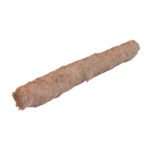
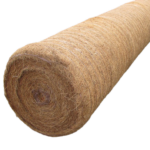
Coconut Matting Jute 300 GSM covers exposed soil the moment earthworks finish, before rain or wind get a chance to strip it away. A freshly cut batter or graded slope is at its most vulnerable in the weeks before grass takes hold: heavy rain washes topsoil straight downhill, and wind lifts loose material off any area still bare. The matting is woven from 100% coir (coconut fibre) and stitched together with jute twine, so the open weave cushions rainfall while still letting light and water through to seed underneath. Each roll covers 2m x 50m and weighs around 36kg. It’s fully biodegradable, and breaks down naturally once vegetation takes hold. The matting also holds moisture in the topsoil, so seed germinates faster than on bare ground. Civil and earthworks crews use it on cut slopes and open batters across New Zealand sites, wherever bare soil needs to be locked down until the site greens up.
| Specification | Details |
|---|---|
| Width | 2 m |
| Length | 50 m |
| Weight | 36 kg |
| GSM | 300 gsm |
| Binding | Jute twine |
| Biodegradable | Yes |
Download your Coconut Matting Jute resources:
Coconut Matting Jute does not have any Safety Data Sheets. Request here
About Coconut Matting Jute
Each roll covers 2m x 50m and weighs around 36kg, so two people can usually handle and unroll it on site.
It's woven from 100% coir, which is coconut fibre, and stitched together with jute twine. Both materials are fully biodegradable.
Yes. The open weave lets light and water reach the seed underneath, so grass germinates and grows up through the mat as it breaks down.
Pin it down close to the soil surface with ground staples along the edges and down the length of the roll. Good contact with the soil is what makes it effective, so avoid leaving gaps or air pockets underneath.
It's fully biodegradable. Rather than being removed, it stays in place and breaks down naturally into the soil as the site's vegetation establishes.
Yes, it's designed to lay flat against graded slopes and batters without kinking or wrinkling, following the contour of the ground as it's unrolled.
The 300 GSM weight suits standard slope and batter protection. For steeper grades or higher-flow channels, a heavier matting option gives more durability while vegetation establishes.
This roll is 2m wide and 50m long. Check with Powerpac for other coir matting weights and roll sizes if you need something different for the job.
Yes. Coir mat, coir matting, coconut fibre mat and erosion control blanket are all names used for this category of product.
Coconut Matting Jute
We suggest following the steps above for the best installation results. If you have any questions or need assistance, our team is here to help.